












Recovery Workouts: Best Active Recovery Exercises & Beginner Guide
When following an intensive fitness routine, many people believe that making progress requires pushing to exhaustion every single day. However, physical growth, muscular repair, and long-term performance actually depend heavily on proper rest. This is where recovery workouts and active recovery sessions play an essential role. Rather than sitting completely sedentary on your rest days, light recovery workouts help maintain blood flow, reduce muscle stiffness, and accelerate your overall physical recovery. What Are Recovery Workouts? Recovery workouts—often referred to as active recovery—involve performing low-intensity physical movements on your designated rest days or following a heavy training session. Unlike high-intensity interval training or heavy lifting designed to exhaust your muscles, recovery workouts focus entirely on: Why Active Recovery Matters Skipping rest altogether often leads to overtraining, mental burnout, persistent fatigue, and an increased risk of injuries. Incorporating structured recovery days ensures your body adapts properly to the stress of hard training. To explore foundational mobility practices that complement recovery days, check out our guide on Mobility and Flexibility. To review global fitness and movement recommendations, check out the official WHO Physical Activity Guidelines. Best Exercises for Recovery Workouts Focus on smooth, low-impact movements that never push you to the point of fatigue: Complete Beginner Active Recovery Routine Perform this 15-minute gentle routine on your rest days: Common Mistakes to Avoid Frequently Asked Questions Can I do recovery workouts every day? Active recovery is designed for rest days or light training phases. Alternating between intense training and light recovery is the most sustainable approach. Is walking considered an active recovery workout? Yes! A brisk or casual walk is one of the most effective and accessible active recovery tools available.

Core Workouts: Best Core Exercises & Beginner Guide
When people think of core workouts, they often picture endless crunches aimed at getting visible six-pack abs. However, your core is far more than just surface abdominal muscles. It is a complex, integrated group of muscles that acts as the muscular powerhouse and stabilization center for your entire body. Whether you are lifting heavy weights, running, playing recreational sports, or simply carrying groceries and sitting at a desk, a strong and stable core protects your spine and improves your daily physical performance. What Is the Core? Your core includes every muscle that stabilizes and moves your spine and pelvis. It extends far beyond your front abs to encompass your entire midsection: Why Core Workouts Matter Many everyday aches—particularly lower back discomfort—stem from poor core stability rather than a lack of general muscle strength. Incorporating dedicated core training into your weekly routine offers vital advantages: To explore foundational movements that require solid midsection stability, check out our guide on Functional Training. To review global fitness and movement recommendations, check out the official WHO Physical Activity Guidelines. Best Core Workouts and Exercises for Your Routine Focus on stabilization and controlled movement rather than rapid, jerky repetitions: Complete Beginner Core Workout Routine Perform this routine 2 to 3 times per week to build foundational strength: Common Mistakes to Avoid Frequently Asked Questions Can core workouts alone burn belly fat? Spot-reduction is a myth. While core workouts build strong midsection muscles, reducing body fat requires a combination of overall physical activity and a balanced diet. How often should I train my core? Training your core 2 to 3 times per week provides an optimal balance of strength stimulus and muscular recovery.

Mobility and Flexibility: Benefits, Differences & Daily Routine
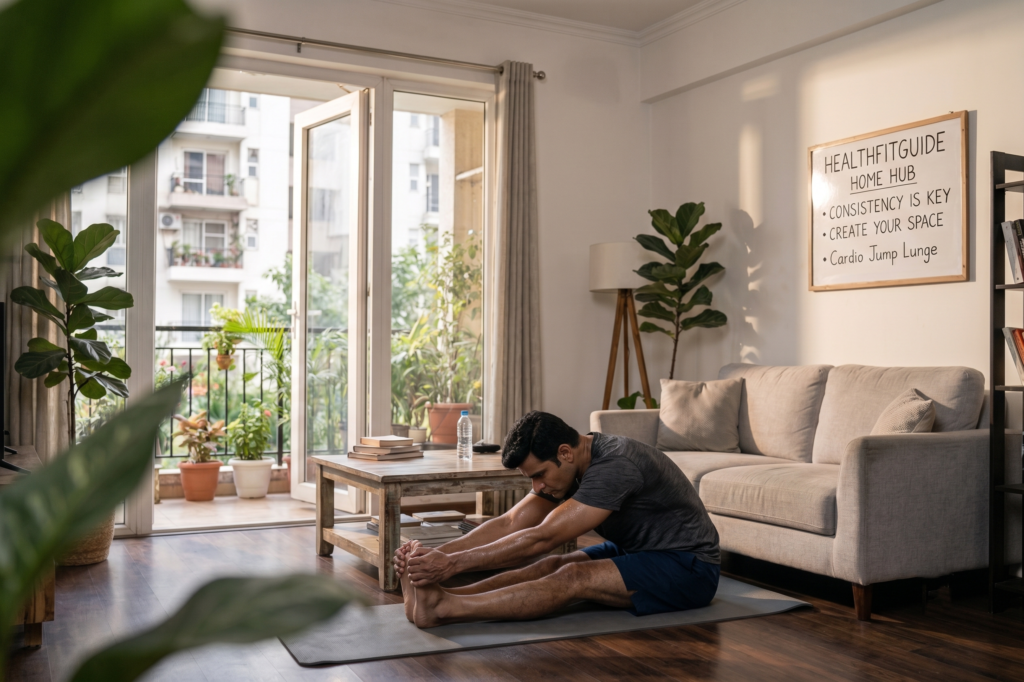
When building a comprehensive fitness routine, people often focus heavily on lifting heavy weights, building endurance, or burning calories. However, physical longevity, pain-free movement, and joint health rely heavily on mobility and flexibility. Although these two terms are frequently used interchangeably, they represent distinct physical qualities that work hand in hand to keep your body moving smoothly through everyday life and athletic activities. What Is the Difference Between Mobility and Flexibility? Understanding how these two concepts differ helps you structure a more effective training routine: In simple terms: Flexibility is about how far your muscles can stretch, while mobility is about how well your joints can move under your own active control. Why Mobility and Flexibility Matter for Everyone As we age or spend long hours sitting at a desk, our joints can become stiff, and our movement ranges can shrink. Neglecting joint health often leads to compensation patterns, poor posture, lower back discomfort, and an increased risk of injury during everyday tasks or workouts. Incorporating dedicated mobility and flexibility work into your weekly schedule offers profound physical advantages: To explore foundational strength training that benefits from proper joint mobility, check out our guide on Strength Training. To review global physical activity standards, check out the official WHO Physical Activity Guidelines. Best Exercises to Improve Mobility and Flexibility Incorporate these gentle, effective movements into your warm-up or recovery sessions: Complete Daily Mobility and Flexibility Routine Perform this simple 10-minute routine daily—either first thing in the morning or as a post-workout recovery session: Common Mistakes to Avoid Frequently Asked Questions Can I do mobility work every day? Yes. Unlike heavy strength training that requires muscular recovery days, gentle daily mobility and flexibility work can be performed safely every day. Should I stretch before or after a workout? Prioritize dynamic mobility movements (like arm circles and leg swings) before your workout to warm up your joints, and save static stretches for after your workout.

Functional Training: Benefits, Best Exercises & Complete Guide
Physical fitness is not just about looking strong in a mirror or lifting heavy weights in isolated directions; it is about how well your body performs during everyday life and athletic activities. Functional training has emerged as one of the most effective conditioning philosophies because it prepares your body for real-life movements, daily chores, and physical hobbies. Whether you are carrying heavy grocery bags, picking up a toddler from the floor, running for a bus, or playing recreational sports, your body relies on integrated multi-joint movements rather than isolated muscle contractions. Structured functional training bridges the gap between gym workouts and real-world physical demands. What Is Functional Training? Functional training is a classification of exercise that helps train and develop your muscles to make everyday activities easier, safer, and more efficient. Unlike traditional bodybuilding routines that often isolate single muscles on fixed machines (such as seated bicep curls or leg extensions), functional training focuses on multi-joint, multi-planar movements. It trains your muscles to work together cooperatively rather than in isolation. Core elements of functional training include: Why Functional Training Matters for Everyone Many people wonder if functional exercise is only meant for professional athletes or personal trainers. In reality, it is perhaps most beneficial for everyday individuals and aging adults. As we age, daily physical independence depends heavily on functional capacities such as hip mobility, spinal rotation, single-leg balance, and pulling strength. By incorporating functional movements into your weekly routine, you preserve your functional longevity, reduce the risk of common overuse injuries, and maintain a high quality of life. To explore foundational bodyweight conditioning that supports functional patterns, check out our guide on Bodyweight Workouts. To review global physical activity standards and recommendations, refer to the official WHO Physical Activity Guidelines. Key Benefits of Functional Training Best Functional Training Exercises to Include in Your Routine Incorporate these foundational movements into your fitness regime to target multiple physical qualities at once: Complete Beginner Functional Workout Routine If you want to introduce functional training into your weekly schedule, start with this structured, low-impact routine 2 to 3 times per week: How Functional Training Differs from Other Training Styles To understand how functional training fits into your broader fitness ecosystem, it helps to look at how it compares to other popular disciplines: For a complete look at structured resistance alternatives, explore our detailed guides on Strength Training and Weight Training. Common Mistakes to Avoid in Functional Training Frequently Asked Questions Is functional training suitable for complete beginners? Yes. Functional training is exceptionally beginner-friendly because exercises can be scaled down to basic bodyweight movements or light resistance, focusing entirely on movement quality. Can I build muscle with functional training? While bodybuilding routines focus strictly on muscle size, functional training builds lean, balanced muscle mass while prioritizing athletic performance, joint health, and real-world strength. How often should I do functional workouts? Incorporating 2 to 3 functional training sessions per week provides an ideal balance of stimulus, coordination development, and physical recovery.

Bodyweight Workouts: Best Exercises, Routine & Progression Tips
Building physical strength, endurance, and muscle tone does not always require heavy weights or expensive gym equipment. Bodyweight workouts utilize your own body mass as resistance to challenge your muscles, improve functional fitness, and enhance overall body control. Whether you are a complete beginner or an experienced athlete looking to refine your movement mechanics, calisthenics and bodyweight training offer limitless scalability for any fitness level. What Are Bodyweight Workouts? Bodyweight workouts, often referred to as calisthenics, are resistance training sessions where you use gravity and your own body mass to create tension across your musculoskeletal system. Unlike weight training that relies on external loads like dumbbells or barbells, bodyweight training emphasizes: Key Benefits of Bodyweight Workouts To explore training routines designed specifically for home spaces, check out our guide on Home Workouts. To review global fitness and movement recommendations, check out the official WHO Physical Activity Guidelines. Best Bodyweight Exercises for Your Routine Focus on fundamental compound movements that target multiple muscle groups at once: Complete Beginner Full-Body Bodyweight Workout Routine Perform this routine 2 to 3 times per week, ensuring proper form over speed: How to Progress Your Bodyweight Workouts Because your body weight remains constant, you must apply progressive overload through different variables: Frequently Asked Questions Can I build muscle with bodyweight workouts? Yes. By progressively making exercises more difficult (calisthenics progression) and maintaining proper nutrition and recovery, you can effectively build muscle and strength. Are bodyweight workouts good for weight loss? Yes. When combined with consistent physical activity and a balanced diet, high-energy bodyweight circuits help burn calories and improve body composition.

Home Workouts: Best Exercises, Beginner Routine & Complete Guide
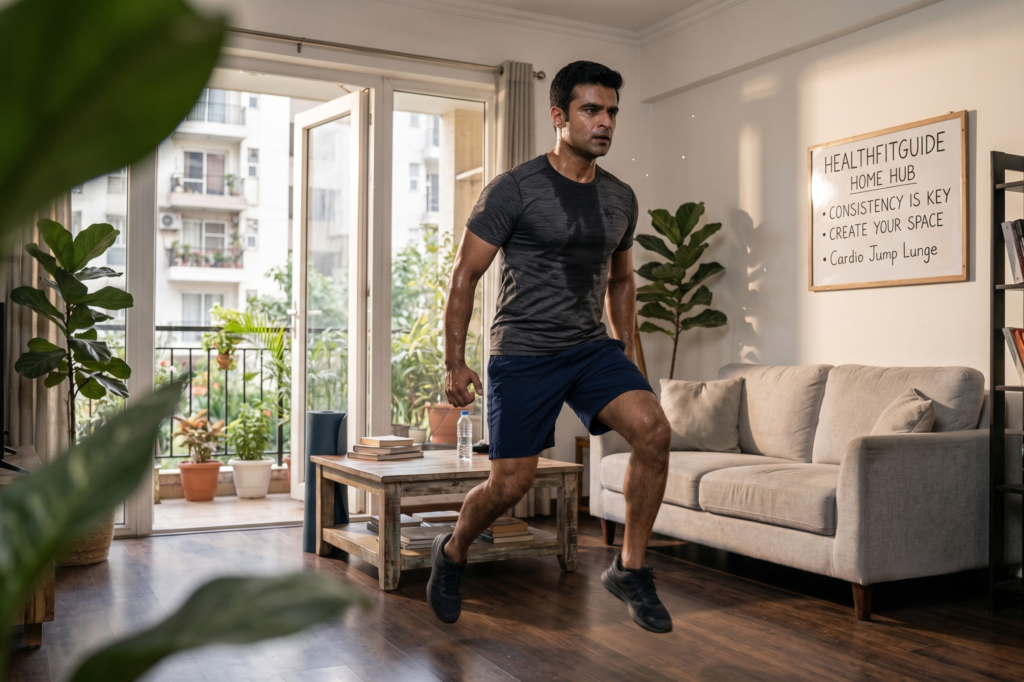
You don’t always need a crowded gym, heavy machines, or expensive memberships to stay active and healthy. Home workouts offer a flexible, convenient, and highly effective way to exercise using your own bodyweight, minimal gear, or everyday spaces available in your house. Whether you have a busy daily schedule, prefer the privacy of your own home, or want a reliable routine when you cannot travel to a fitness center, structured home training helps you build consistent physical habits. What Are Home Workouts? Home workouts refer to physical exercise routines performed in your home, apartment, or personal space rather than a commercial gym. They can range from simple bodyweight calisthenics to sessions incorporating light dumbbells, resistance bands, or home cardio equipment. The main advantage is versatility—you can tailor your training to your exact fitness level, available time, and personal goals. Common components of a home fitness routine include: Key Benefits of Home Workouts To explore high-intensity interval options that can also be done with minimal space, check out our guide on HIIT Workouts. To understand global physical activity recommendations, refer to the official WHO Physical Activity Guidelines. Best Bodyweight Exercises for Home Workouts Focus on fundamental compound movements that train multiple muscle groups simultaneously: Complete Beginner Full-Body Home Workout Routine If you are just starting out, perform this structured routine 2 to 3 times per week: Adding Minimal Equipment to Home Workouts Once you master bodyweight exercises, you can gradually introduce small, affordable tools to progress your routine: Common Mistakes to Avoid When Working Out at Home Frequently Asked Questions Can I really build strength and fitness without a gym? Yes. By using progressive overload—such as increasing repetitions, slowing down movement tempo, or adding light resistance—you can build excellent strength at home. How much space do I need for a home workout? You only need enough space to lie down flat on your back with your arms extended (roughly a 6×4 feet clear area).